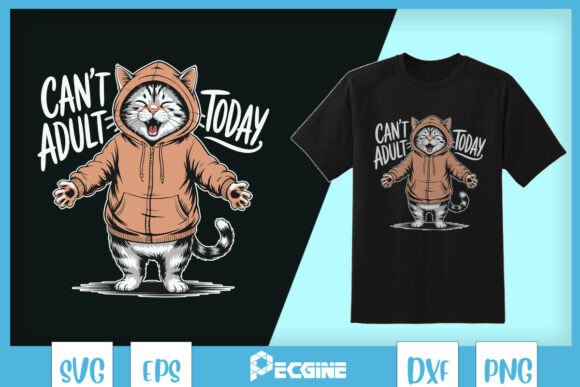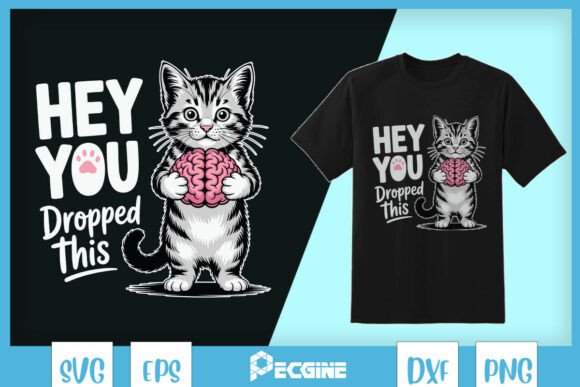
Funny Cat Mental Health Awareness SVG
A Designer’s First Glance: Whimsy with Warmth, Not Just a Gag
When I opened the Funny Cat Mental Health Awareness SVG, my first thought wasn’t “cute” — it was “relatable.” The cat sits slightly askew, one paw raised like a tiny therapist’s hand gesture, eyes half-lidded with gentle exhaustion, and the phrase “I’m Fine (But Also… Not Really)” curves beneath in friendly, rounded lettering. It’s not sarcastic. It’s soft. It’s kind. That tone matters — especially when translating into stitch. This isn’t a design that shouts; it murmurs. And in embroidery, where texture, scale, and fabric interaction mute subtlety fast, that quiet confidence is a real advantage.
Real-World Test: Embroidering It on a Linen-Cotton Tote for a Local Wellness Pop-Up
Last week, I used the Funny Cat Mental Health Awareness SVG to embroider a medium-sized tote for a mental health nonprofit’s community event. We chose natural linen-cotton blend — textured, breathable, and popular with mindful shoppers. I sized it to 4.2" wide, centered on the front panel. The result? A finished product that felt handmade *and* intentional. Customers paused, smiled, then said things like, “That’s me on a Tuesday,” or “My sister needs this.” That emotional resonance — grounded in authenticity, not irony — is what makes this more than just another cat graphic. It works because it lands gently, even under thread.
Where It Shines in Real Embroidery Projects
- Custom apparel: Looks balanced on crewneck sweatshirts (left chest or lower back) and relaxed-fit tees — especially with tonal thread on heather grey or oatmeal.
- Tote bag design & aprons: Holds up beautifully at 3.5–5" wide. The clean outlines and moderate detail avoid fill-stitch mushiness on loosely woven fabrics.
- Pillow covers & tea towels: Works as a standalone focal point — no need for borders or framing. The curved text flows naturally with fabric drape.
- Baby embroidery & nursery decor: Softens well in pastel threads (think sage, blush, warm grey). Avoid ultra-dense satin stitches on delicate onesies — opt for lighter fill density if digitizing your own version.
- Holiday embroidery & personalized gifts: Paired with a simple “You’re Enough” tag or stitched onto a cozy throw blanket, it adds emotional weight without being heavy-handed.
Where to Pause & Plan Ahead
This isn’t a one-size-fits-all embroidery file — and that’s okay. Its charm depends on thoughtful execution:
- Small hoop sizes (under 3"): The text curve and facial details may compress or lose legibility. Scale down only if you’re confident in your machine’s precision and stabilizer control.
- Stretchy fabric (like knits or lightweight jersey): Use cutaway + tear-away stabilizer combo. The cat’s posture relies on clean lines — stretching distorts those instantly.
- Dark fabric: Test thread contrast early. Light greys or creamy whites read better than pale yellows or pinks. Avoid white-on-black unless using high-sheen rayon or metallics.
- Caps & curved surfaces: Not ideal for front-panel cap embroidery unless significantly simplified. The curved text and sitting pose don’t adapt smoothly to dome-shaped hoops.
- Frequent-wash items (baby bibs, kitchen towels): Confirm stitch density isn’t overly dense — tight fills can stiffen fabric and crack over time. A light running-stitch outline around key shapes helps define edges after repeated laundering.
Design Integrity Meets Customer Trust
As an Etsy seller and small shop owner myself, I know buyers scroll past flashy graphics — but they stop for sincerity. The Funny Cat Mental Health Awareness SVG supports that. When stitched cleanly, it signals care — both in craft and message. That builds trust faster than any sales copy. It also strengthens brand consistency for wellness-focused boutiques, therapists’ merch lines, or mindfulness studios wanting cohesive, non-clinical visuals.
It doesn’t scream “graphic tee.” It whispers “thoughtful handmade product.” That distinction elevates perceived value — especially for personalized gifts or boutique merchandise where emotional connection drives purchase decisions.
Practical Notes Every Embroidery Designer Should Run Through
- Test on scrap fabric first — especially with your exact stabilizer and thread combo. Linen behaves differently than cotton poplin.
- Review stitch density in your embroidery software. If digitized by hand, reduce fill areas slightly for breathability on apparel.
- Check small details: The cat’s ear tip and whisker hints should remain distinct, not merge into a blob. Zoom in before stitching.
- Mock it up in black and white, then on light/dark backgrounds. Does the message stay clear? Does the cat retain personality?
- Confirm licensing terms before selling finished embroidered items or bundling the file digitally. Since it’s listed as a Graphics product, verify commercial use rights directly with the source.
- Use proper stabilizer — medium-weight cutaway for stable fabrics, soft tear-away for lighter weaves. Skipping this step risks puckering that undermines the design’s warmth.
Final Thought: A Design That Earns Its Place
The Funny Cat Mental Health Awareness SVG isn’t just clever — it’s considerate. Considerate of fabric behavior, of stitch limitations, of customer emotion, and of the quiet power of saying something meaningful without shouting. It fits naturally into T-Shirt Designs and broader Graphics categories, yes — but its real strength lies in how gracefully it translates from screen to stitch, from digital file to heartfelt finished product. Whether you’re prepping a batch of embroidered patches for craft fairs, designing custom sweatshirt bundles for a therapy practice, or stitching personalized holiday gifts for friends who’ve had a hard year — this one earns its spot in your design assets. Just remember: let the cat breathe, respect the fabric, and stitch with intention.