Spooky Cat, Halloween Kitty SVG
First Impressions: Sweetly Spooky, Not Just Cutesy
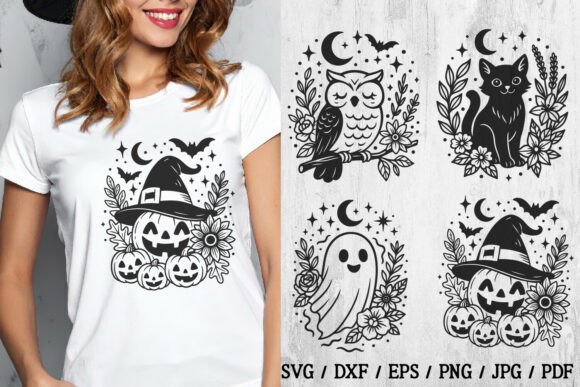
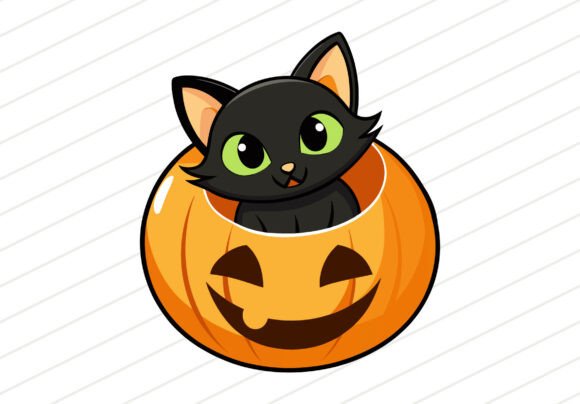
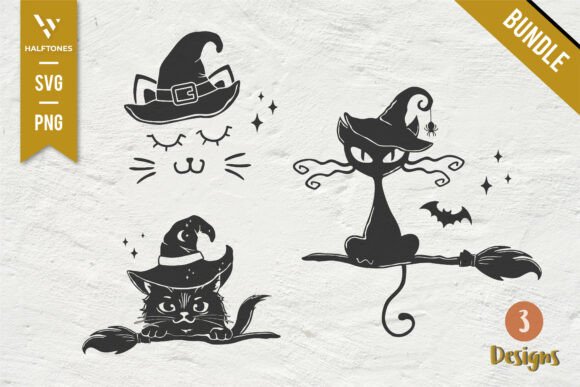
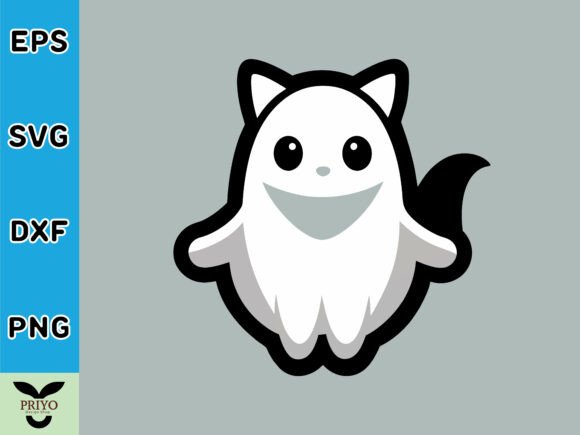
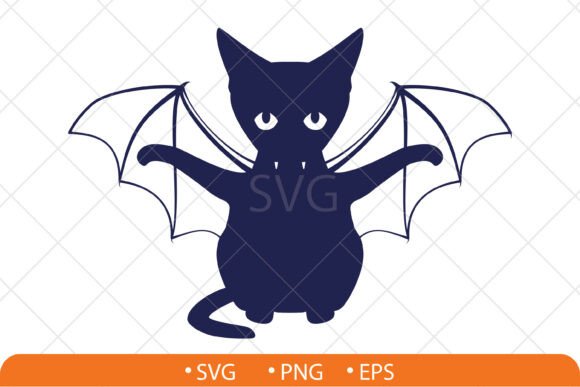
When I opened Spooky Cat, Halloween Kitty SVG, I didn’t see another generic pumpkin or ghost — I saw a character. A bat-winged kitty with soft curves, subtle expression, and just enough whimsy to land between playful and eerie. It’s not overly detailed, but it’s intentional: rounded ears, gently arched back, wings that suggest motion without clutter. As an embroidery designer, that balance matters. Too much detail becomes muddy in stitch; too little feels flat. This one lands right in the sweet spot for machine embroidery design — readable at 3–4 inches, expressive at 2 inches, and still charming when scaled down for a baby onesie or embroidered patch.
A Real-World Test: That Tote Bag You’re Making for Your Boutique
Last week, I prepped a limited run of canvas tote bags for my local craft fair booth — think natural linen-cotton blend, medium weight, no stretch. I chose Spooky Cat, Halloween Kitty SVG as the centerpiece for a small-batch holiday collection. Why? Because customers don’t just buy “Halloween stuff” — they buy *mood*. This design delivers warmth and wit in equal measure. On the tote, stitched in matte black thread with a light tear-away stabilizer, the cat read clearly from six feet away. The wings held shape, the face stayed legible, and the overall silhouette popped against the neutral fabric. No pixelation, no jagged edges — just clean, confident stitching. That kind of clarity builds trust. When a customer sees a handmade product with precise, balanced embroidery, they assume care, skill, and intention behind every piece.
Where It Shines (and Where It Needs Care)
Spooky Cat, Halloween Kitty SVG works beautifully across a range of embroidery projects — especially those where charm and readability matter more than hyperrealism:
- Custom apparel: Sweatshirt embroidery? Yes — the open negative space around the cat prevents bulk. T-shirt embroidery? Works well on midweight cotton or tri-blends if you use cutaway stabilizer.
- Baby embroidery: Perfect for onesies and burp cloths — gentle theme, no sharp lines, forgiving scale.
- Patches & aprons: Clean outlines make it ideal for iron-on or sew-on patches. On a denim apron, it reads as both functional and festive.
- Kitchen textiles: Tea towels, pillow covers, oven mitts — the design’s compact shape avoids seam interference and stays centered during hooping.
- Holiday gifts & boutique branding: It adds personality without overwhelming. Great for small shop product tags, gift tags, or printable mockups used to pitch designs to clients.
But let’s be real: not every surface is forgiving. Use caution with:
- Curved surfaces like caps — test hoop placement first; the wings may distort if stretched over a dome.
- Textured fabrics (like terry cloth or heavy bouclé) — fill stitch density can sink into the pile; consider simplifying or using satin stitch for key outlines instead.
- Thin or stretchy fabrics — always pair with appropriate stabilizer. A lightweight knit shirt needs more support than a canvas tote.
- Dark fabric backgrounds — check thread color contrast early. Black thread on navy can blur; try charcoal gray or deep plum for definition.
- Products requiring frequent washing — reinforce backstitching on wingtips and tail ends, and avoid ultra-fine details that might fray over time.
Design Assets That Earn Their Place in Your Workflow
This isn’t just another digital embroidery file you download and forget. Spooky Cat, Halloween Kitty SVG functions like a reliable design asset — versatile enough for personal projects, Etsy listings, or small business merchandise. As an Illustrations category graphic, it bridges digital flexibility with physical execution. You can adapt it for applique design (cut wings separately), layer it with simple running stitch accents (a tiny spiderweb beside the cat), or even convert it to a minimalist line-art version for embroidery-friendly coloring pages.
What makes it commercially smart? It avoids dated trends — no glitter fonts, no forced puns — so it won’t feel stale by next October. And because it leans into emotional resonance (sweet + spooky = nostalgic, inclusive, non-scary), it appeals across age groups. Grandparents buy it for grandkids. Teens wear it on hoodies. Small shops use it on seasonal packaging. That versatility multiplies its value per download.
Practical Embroidery Designer Notes Before You Stitch
Before committing to your first finished product, do these five things:
- Test on scrap fabric — same weight, same weave, same stabilizer combo you’ll use on the final piece.
- Review stitch density — if the fill areas look heavy in your software preview, reduce density slightly or switch to a lighter fill pattern.
- Confirm hoop size compatibility — this design fits comfortably in a 4x4 hoop, but double-check your file’s actual dimensions before scaling.
- Inspect small details — zoom in on wingtips and paw curves. If they’re under 1mm wide in your embroidery software, they may not translate cleanly.
- Check licensing — since this is a Graphics-type digital embroidery file, verify whether commercial use (e.g., selling embroidered sweatshirts or digital bundles on Etsy) is permitted. Don’t assume — review the seller’s terms.
Also: try stitching it in monochrome first. A black-and-white mockup reveals how well the shapes hold up without color distraction — and tells you instantly whether it’ll work on light or dark fabric.
Final Thought: It’s Not Just a Design — It’s a Story Starter
Every time I choose a machine embroidery design for a client project or my own craft business, I ask: does this invite connection? Spooky Cat, Halloween Kitty SVG does. It’s got personality without pretense, charm without clutter, and spookiness that doesn’t alienate. Whether you’re embroidering a personalized gift, building a cohesive holiday collection, or sourcing design assets for digital product previews, this cat earns its place — not because it’s trendy, but because it’s thoughtfully made, quietly versatile, and genuinely delightful to stitch.