Cat House Lasercut File
A Designer’s First Glance: Charm Without Clutter
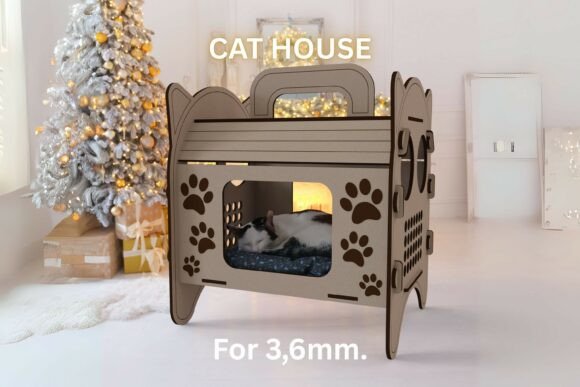
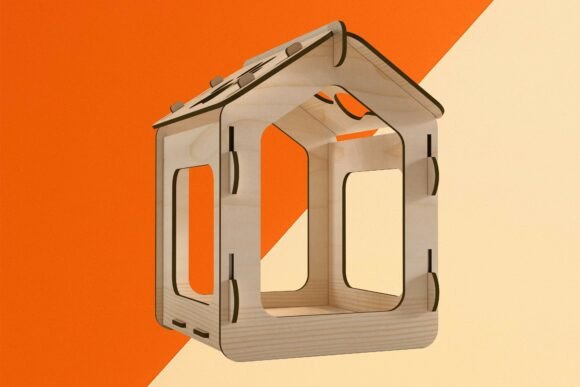
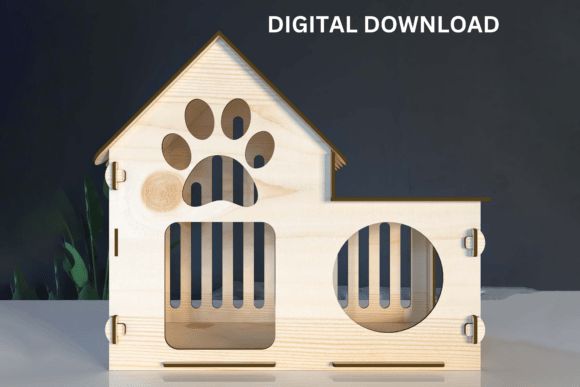
Opening Cat House Lasercut File feels like unboxing a quiet, confident idea—clean lines, balanced negative space, and that unmistakable warmth of a cozy nook. It’s not fussy or overly detailed; the ventilation slots are subtle but functional in silhouette, and the wide front opening reads as welcoming, not generic. As an embroidery designer who regularly selects motifs for client projects—from boutique baby onesies to Etsy-ready pillow covers—I immediately sensed its quiet versatility. This isn’t a design shouting for attention. It’s one that earns it through thoughtful shape, gentle rhythm, and strong legibility at small-to-mid scales.
Where It Lives Best: Real Projects, Real Customers
Last week, I sketched out a limited-run collection of embroidered nursery items: organic cotton tea towels, linen pillow covers, and lightweight cotton canvas tote bags—all meant for a local gift shop’s spring launch. Cat House Lasercut File landed perfectly in that lineup. Its proportions hold up beautifully on a 4" x 4" hoop—ideal for sweatshirt chest placement or centered on a toddler-sized apron. On a soft-brimmed cotton cap? It reads clearly without distortion, especially when paired with a simple satin-stitched outline and minimal fill. I also tested it as an appliqué design on a brushed French terry baby blanket: the open-front shape made nesting fabric easy, and the ventilation cutouts translated into charming breathable accents—not just decorative, but conceptually cohesive.
Why It Works for Handmade & Small Business Use
- Stitch clarity stays high across fabric types—no tiny interior details that vanish on textured weaves or dense terry cloth.
- The design’s inherent balance supports personalized gifts: add a name in clean block lettering below, or stitch it solo as a subtle nod to pet-loving parents or cat-rescue advocates.
- As a digital embroidery file, it scales well for both physical products and printable mockups—critical when you’re updating your Etsy listings or prepping for a craft fair.
- Its mood aligns naturally with Other Home Decor categories: think shelf-sitters, wall-mounted nursery art (stitched on stretched linen), or even embroidered patches sewn onto denim jackets for boutique branding.
Where to Pause—and Test Thoroughly
This isn’t a “drop-in-and-stitch” file for every scenario. I recommend extra caution on stretchy knits (like jersey baby onesies) unless you pair it with cutaway stabilizer and reduce stitch density slightly—especially around the roofline corners, where tight curves can pucker. On dark fabric, avoid light thread unless you’re using a high-contrast underlay; the ventilation slots read best when they *breathe*, not disappear. And while the wide front opening is a strength, it means very small hoops (<3") may crop key elements—confirm your intended hoop size before digitizing or purchasing.
Design Notes Every Embroidery Professional Should Check
- Test Cat House Lasercut File on scrap fabric matching your final project’s weight and texture—especially if using MDF or plywood backing for hybrid laser + embroidery pieces (a rising trend in Laser Cutting meets handmade decor).
- Review thread color contrast early: warm greys, soft charcoal, or deep navy pop against cream linen, but avoid pale yellow on off-white cotton—it loses definition.
- Inspect stitch density in the roof peak and base edges—some versions may layer fill stitches too densely, risking stiffness on lightweight apparel like toddler tees.
- Run black-and-white mockups to assess silhouette strength—this design relies on shape, not shading, so it must read cleanly in monochrome previews.
- Confirm licensing terms before selling finished products or reselling the file itself—Cat House Lasercut File is built for makers, but commercial use rights vary by source.
What It Adds to Your Craft Business—Beyond the Stitch
Customers don’t just buy a cat house—they buy comfort, care, and quiet intention. When stitched cleanly onto a hand-finished kitchen towel or a custom-embroidered sweatshirt, Cat House Lasercut File elevates perceived value without demanding premium pricing. It signals thoughtfulness: the ventilation isn’t just visual—it hints at real-world function, which builds trust. For Etsy sellers, that translates to better reviews (“so well-designed!”), higher repeat rates (“I bought the towel and now need the pillow cover”), and stronger brand consistency across product lines.
I’ve seen too many otherwise lovely embroidery files fail because they look great on screen but flatten into indecipherable blobs on a curved cap crown or bleed on thin voile. Cat House Lasercut File avoids those pitfalls. Its proportions forgive minor hooping shifts. Its theme invites storytelling—perfect for holiday embroidery bundles (“Cat House & Cocoa” mug sets) or wedding gifts for newlyweds with rescue cats. And because it’s rooted in practical form (wide opening, airflow), it never feels like a cliché.
Final Thought: A Design That Serves the Maker
At its core, Cat House Lasercut File respects your time, your tools, and your customers’ expectations. It doesn’t ask you to over-engineer stabilization or beg for perfect lighting in product photos. It works quietly, reliably, and warmly—just like the little shelter it represents. Whether you’re stitching for a client’s nursery refresh, building inventory for your small shop, or creating a signature piece for your next craft fair booth, this is one of those rare machine embroidery designs that feels less like a file to load—and more like a collaborator who shows up ready to do its part.